Hazardous materials containers
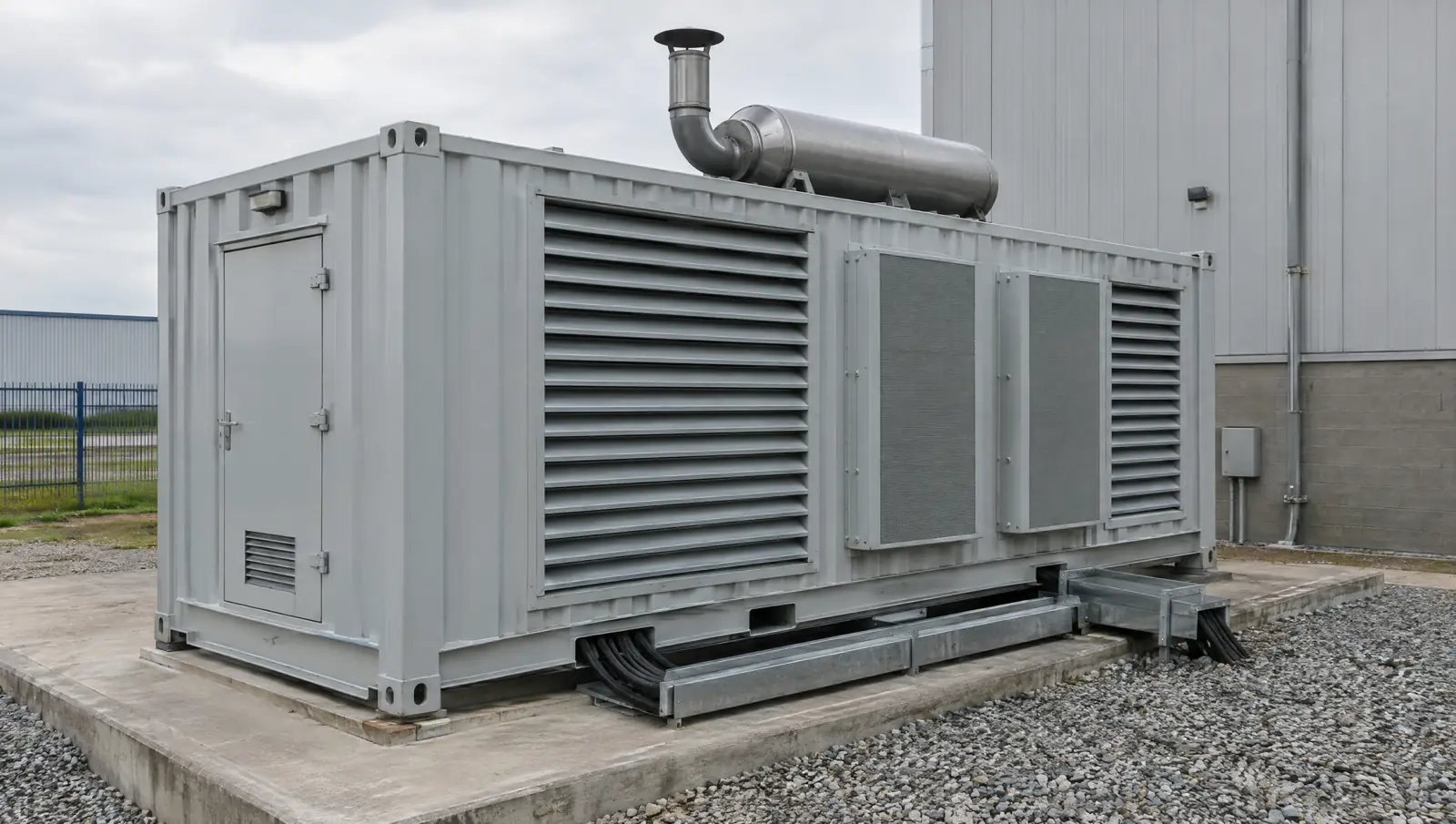
Hazardous materials containers – also called hazmat or chemical stores – are containers for storing substances that are flammable, toxic, corrosive or hazardous to water: paints, solvents, oils, acids, alkalis, plant protection products or cleaning chemicals in drums, cans and IBCs.
A storage container with a tray in it will not do. Such stores are subject to a whole bundle of German regulations: water law for water-hazardous substances, hazardous substances law with technical rule TRGS 510 for storage in portable containers, fire and explosion protection for flammable substances, and segregation rules that determine what must not be stored side by side. Hazmat containers are therefore built as approved system solutions rather than improvised.
Typical uses
- Paint and solvent store in workshops and decorating firms
- Oil and lubricant store for vehicle and machine fleets
- Chemical store for laboratories, swimming pools and water treatment
- Plant protection product store in agriculture
- Storage for batteries
- Interim store for hazardous waste
Sizes and dimensions
| Requirement | What it is about | Typical implementation |
|---|---|---|
| Containment | Leaking substances must not reach soil or drains | steel or plastic sump with adequate volume |
| Ventilation | Vapours must not accumulate | natural vents or mechanical ventilation |
| Fire protection | A fire must not spread to buildings | distance or fire-resistant construction |
| Explosion protection | Avoid ignition sources with flammable vapours | zoning, suitable electrics |
| Segregation | Keep incompatible substances apart | storage classes, partitions, separate containers |
| Labelling | Make hazards recognisable | warning signs, operating instructions, access control |
Overview of the requirement areas. Which apply and to what extent follows from the type and quantity of substances and is determined in the risk assessment.
✓ Advantages
- Integrated spill sump and tested construction
- Outdoor siting removes fire risk from buildings
- Fire-resistant versions allow short distances to buildings
- Clear separation of different substance groups possible
! Points to consider
- Complex legal situation – classification of substances decides everything
- Considerably dearer than a normal storage container
- Duties for labelling, instruction and inspection
- Incorrect co-storage can trigger dangerous reactions
Equipment and options
- Integrated spill sump with grating
- Ventilation openings or mechanical ventilation
- Fire-resistant walls and door in the corresponding version
- Explosion-protected lighting and electrics where needed
- Shelving or drum racks, dispensing area
- Labelling, earthing, equipotential bonding
- Optional: heating for frost-sensitive substances, temperature monitoring
Price guide
- Small hazmat cabinet store
- from the low four figures
- Walk-in container with sump
- well above a storage container
- Fire-resistant version
- substantial premium over standard
Rough orientation values without guarantee; prices vary by region, condition and market.
What to look out for
- First list all substances with quantities and classification – without it the store cannot be designed.
- Check segregation rules: acids and alkalis, oxidisers and combustibles do not belong together.
- Size the containment volume to the quantities stored; the requirements follow from water law.
- Agree the siting with your occupational safety specialist and your insurer.
- Do not use a converted shipping container where approvals are required – hazmat stores are tested systems.
Frequently asked questions
Can I use a normal storage container with a sump as a hazmat store?
For small quantities of uncritical substances this may be enough under the risk assessment. As soon as larger quantities, flammable or several incompatible substances are involved, it generally is not. Then a tested system with the right sump, ventilation and fire protection is needed.
How large must the spill sump be?
That depends on water law and the quantity stored. A frequently quoted rule of thumb: at least the volume of the largest container and a certain share of the total stored quantity. The classification in the individual case is binding.
Related guides
Planning with hazardous materials containers?
Compare sizes, costs and buying vs. renting in our guides.