Shipping containers
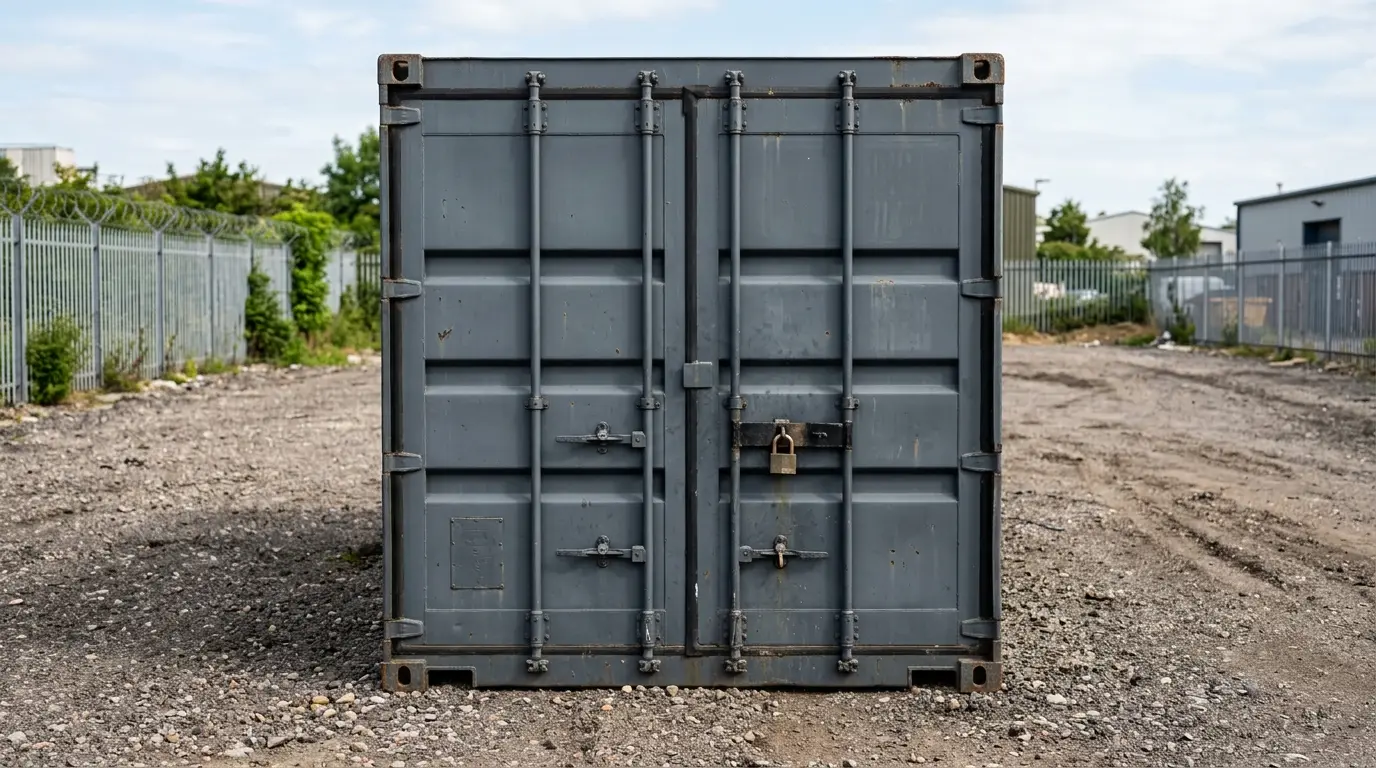
Shipping containers (ISO containers) are globally standardised steel boxes for intermodal freight, usually 20 ft or 40 ft and also available as high cubes with around 30 cm more internal height. Their corner castings, common grid and CSC plate allow transfer between ship, rail and truck without repacking. On land they serve as stationary storage, as a shell for conversions or as cheap extra space.
Typical uses
- Overseas shipping of general cargo, machinery and palletised goods
- Combined rail and inland waterway transport in hinterland traffic
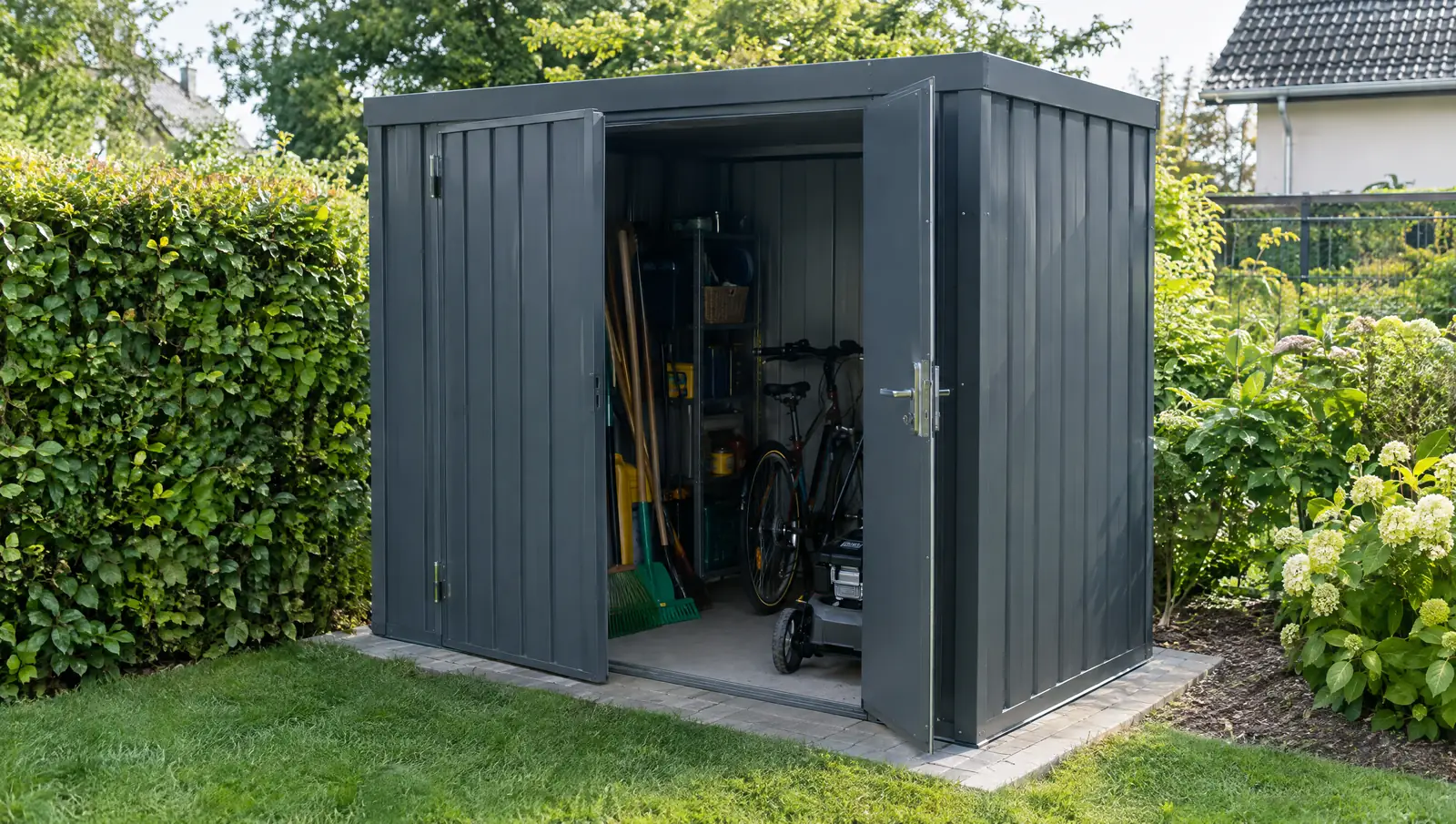
- Stationary storage at depots, municipal yards and farms
- Conversion into a workshop, bike garage or plant room
- Food and bar containers for street food, kiosks and festival stands
- Pop-up store, exhibition stand or brand pavilion in retail
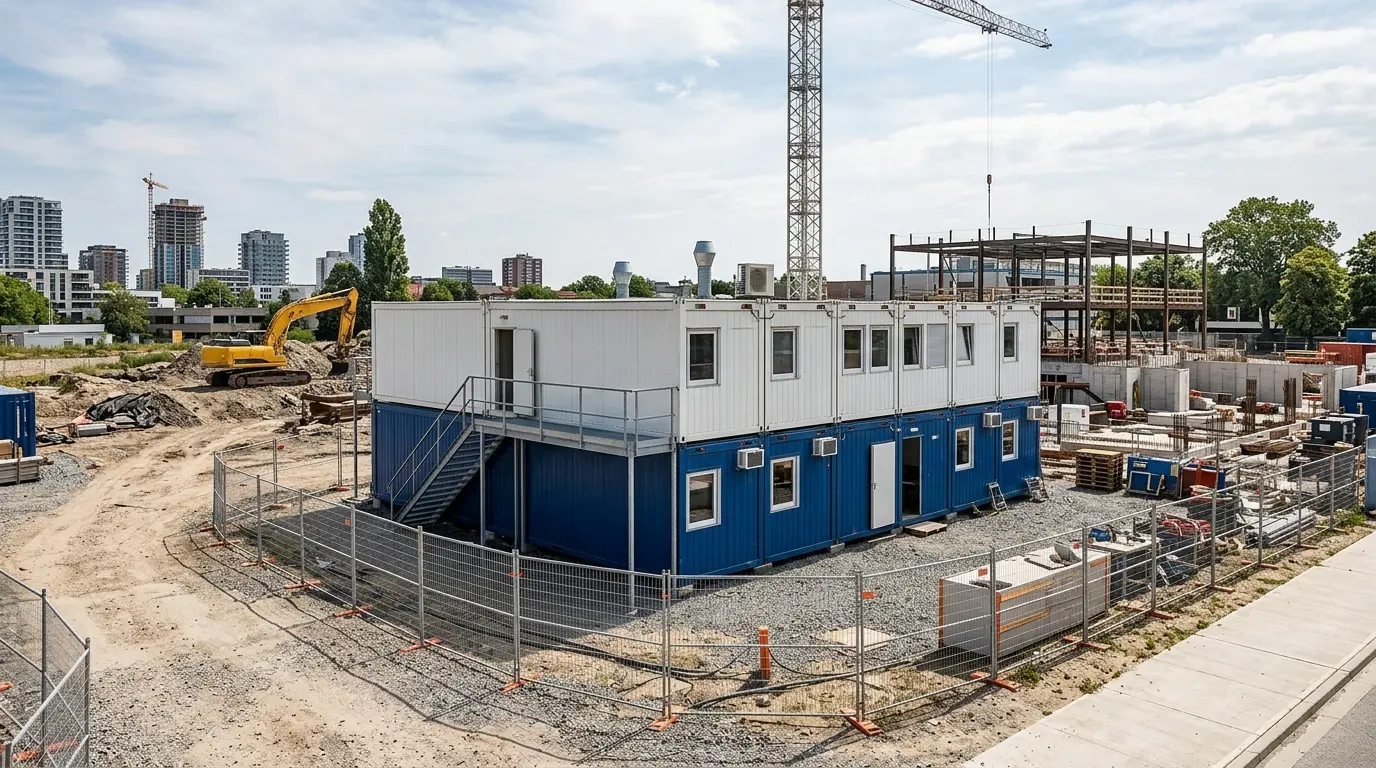
- Shell for studios, rehearsal rooms and coworking modules
- Secure depot for construction plant, solar modules and spare parts
Sizes and dimensions
| Size | External L × W × H | Internal approx. L × W × H | Volume approx. | Type code |
|---|---|---|---|---|
| 20 ft | 6.058 × 2.438 × 2.591 m | 5.90 × 2.35 × 2.39 m | 33 m³ | 22G1 |
| 40 ft | 12.192 × 2.438 × 2.591 m | 12.03 × 2.35 × 2.39 m | 67 m³ | 42G1 |
| 40 ft high cube | 12.192 × 2.438 × 2.896 m | 12.03 × 2.35 × 2.70 m | 76 m³ | 45G1 |
| 45 ft high cube | 13.716 × 2.438 × 2.896 m | 13.56 × 2.35 × 2.70 m | 86 m³ | L5G1 |
External dimensions per ISO standard, other values approximate. The variants – high cube, open side, double door, open top, flat rack – have their own sub-pages.
✓ Advantages
- Globally standardised dimensions and fittings, handleable anywhere
- Extremely strong, stackable and built for sea transport
- Widely available, including used units at low prices
- Highly convertible via cut-outs for windows and doors
- Good resale value when kept in decent condition
! Points to consider
- Heavy tare weight, transport needs the right equipment
- Condensation and rust if untreated, especially on the roof
- Hot in summer and cold in winter when uninsulated
- Cut-outs weaken the structure and require reinforcement
Equipment and options
- Corrugated Corten steel walls
- Timber floor on steel cross members
- Double door with four locking bars
- Corner castings at all eight corners
- Container number, type code and CSC plate
Price guide
- 20 ft used
- approx. €1,500 – 3,000
- 20 ft one-way
- approx. €3,000 – 5,000
- 40 ft used
- approx. €2,500 – 4,500
- 40 ft one-way
- approx. €4,500 – 7,000
Rough orientation values without guarantee; prices vary by region, condition and market.
What to look out for
- Choose the condition grade to match the purpose: for use on land, wind and watertight is enough.
- Check the container number and type code before paying.
- For conversion into a habitable room, choose a high cube.
- Plan transport and site in advance – the crane often costs more than the distance.
- When buying used, request photos of the specific container with its number.
Shipping containers: variants
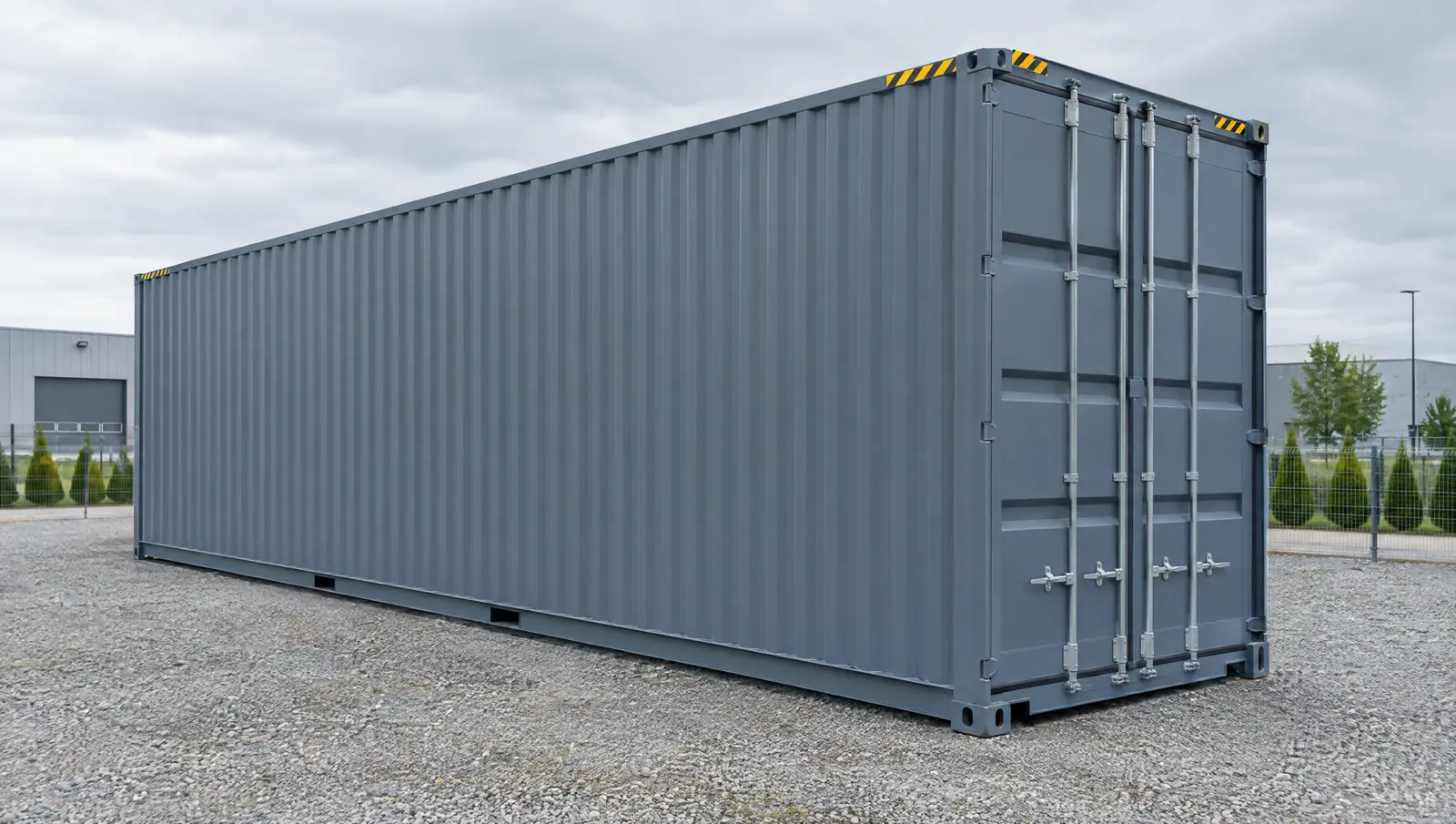 High cube containers 30 centimetres more height: the standard base for conversions, workshops and bulky goods.
 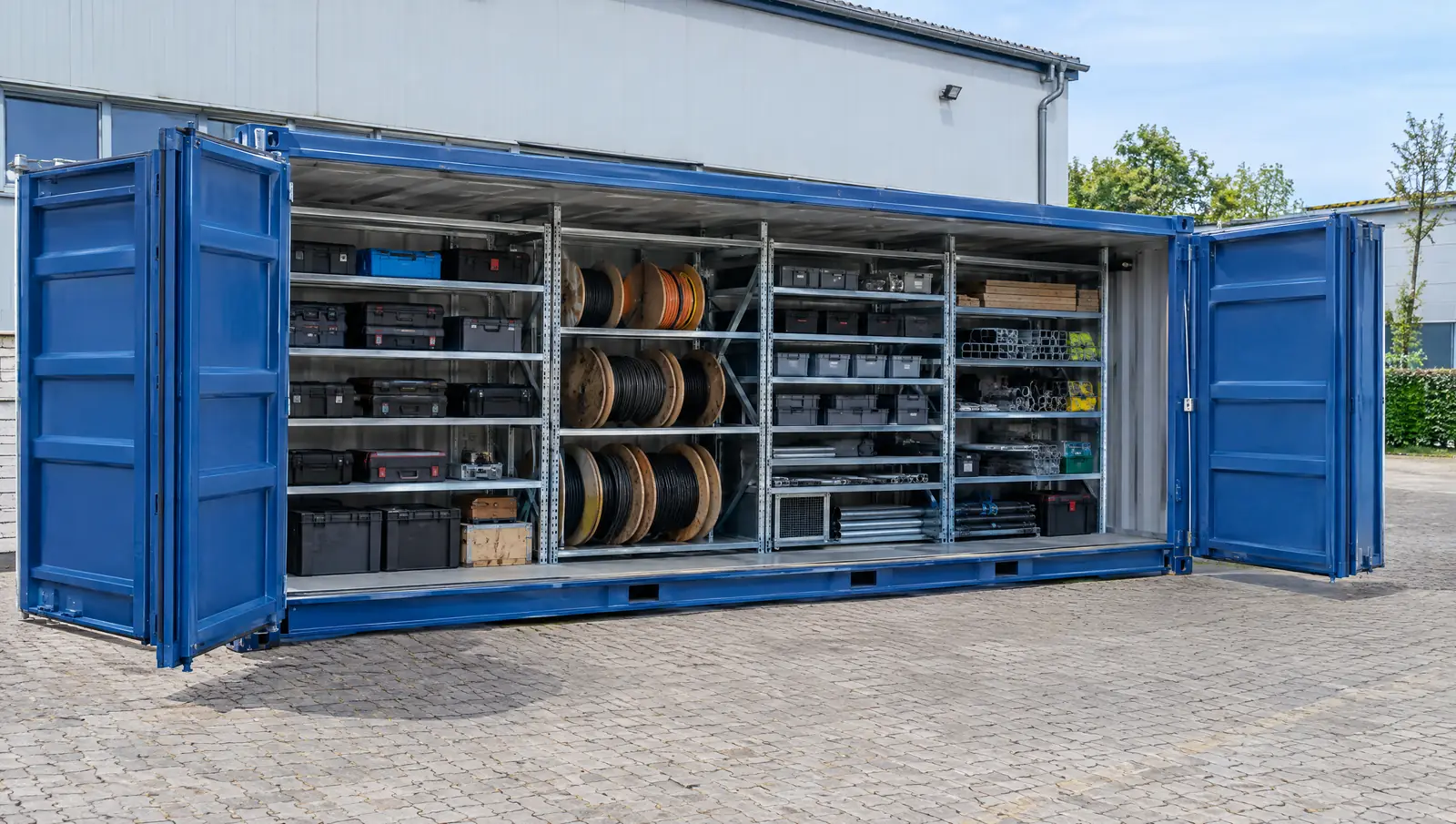 Open side containers A whole long side that opens – access to every shelf without shuffling stock.
 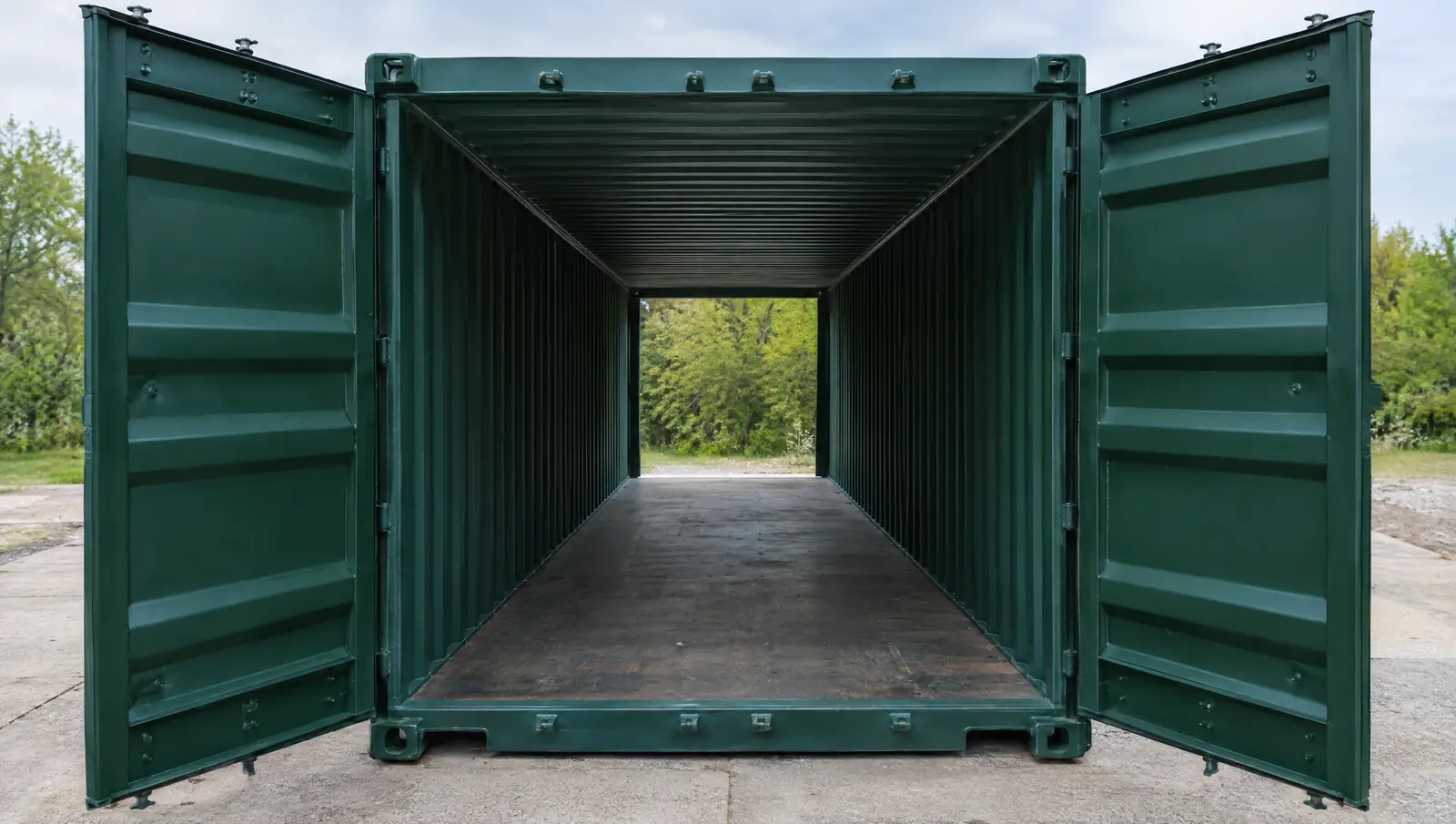 Double door containers Doors at both ends: load through, split the store in two, build a tunnel.
 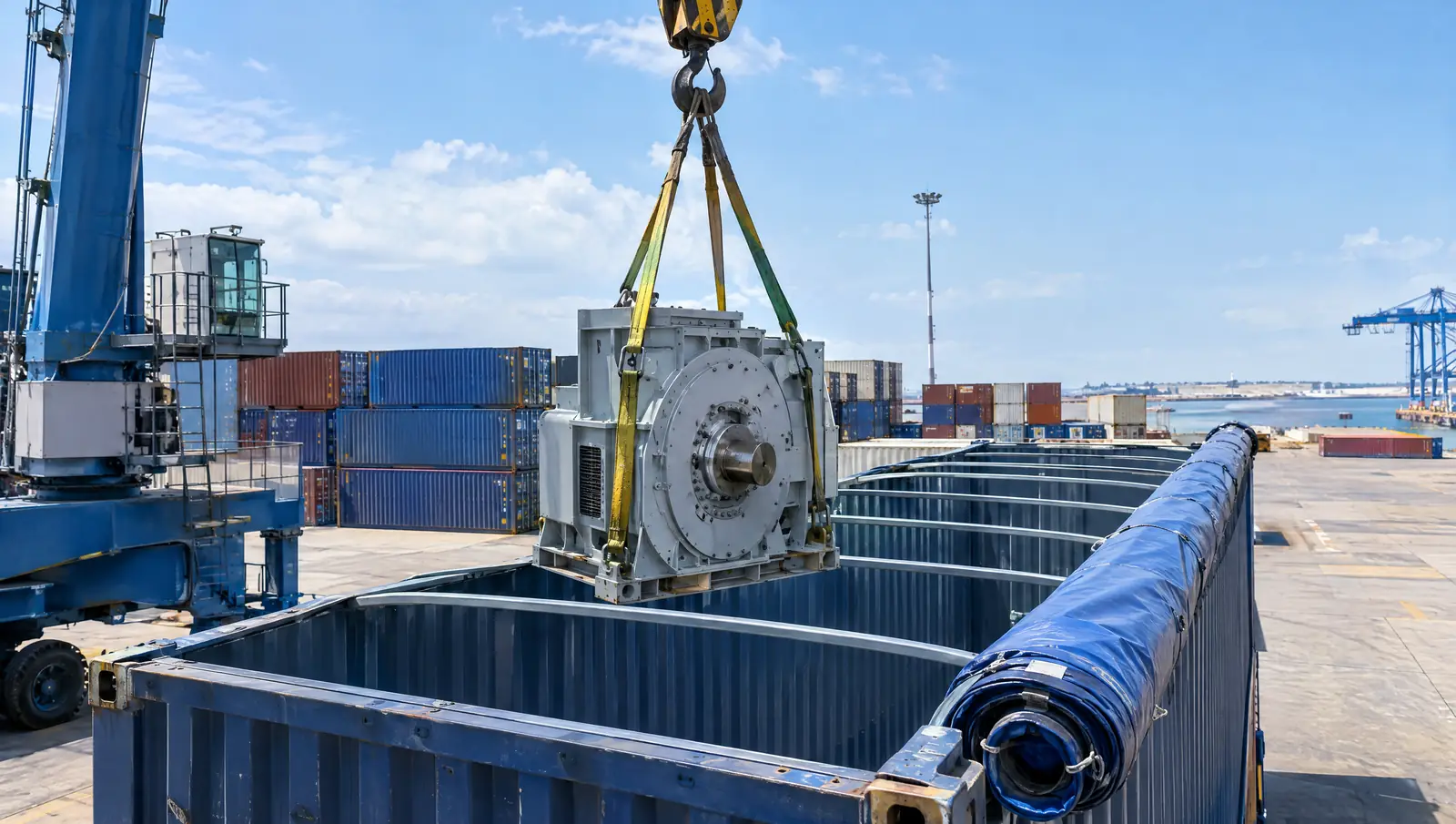 Open top containers Tarpaulin instead of a steel roof: crane loading from above for tall and heavy goods.
 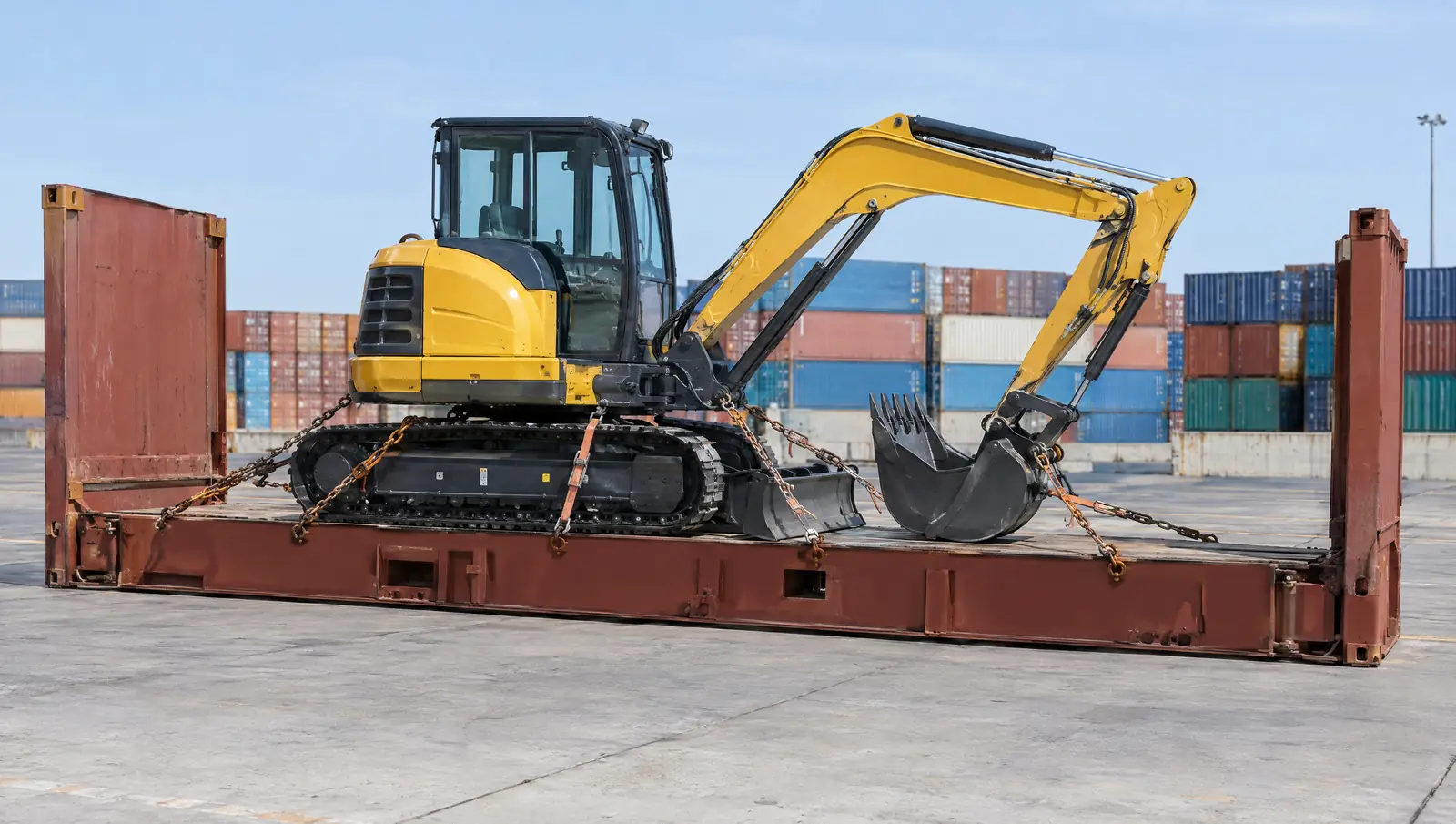 Flat rack containers Floor and end walls, nothing else: for machinery, vehicles and oversized loads.
 Frequently asked questions
What does one-way mean?
A new container shipped once with cargo from Asia to Europe. It is practically as new and often cheaper than a new container built in Europe.
Which shipping container variants exist?
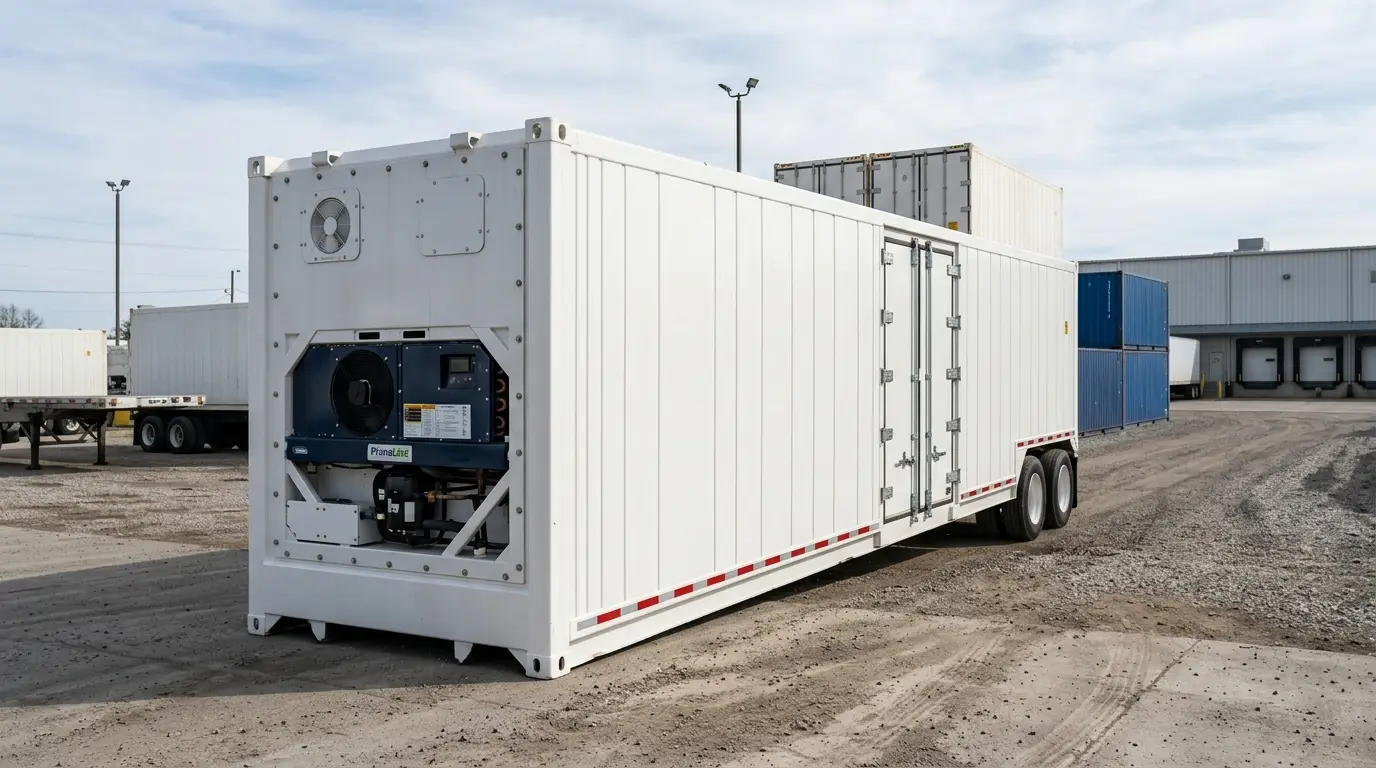
Besides the standard container mainly high cube, open side, double door, open top, flat rack and refrigerated containers. Each variant has its own sub-page here.
Related guides
Planning with shipping containers?
Compare sizes, costs and buying vs. renting in our guides.