
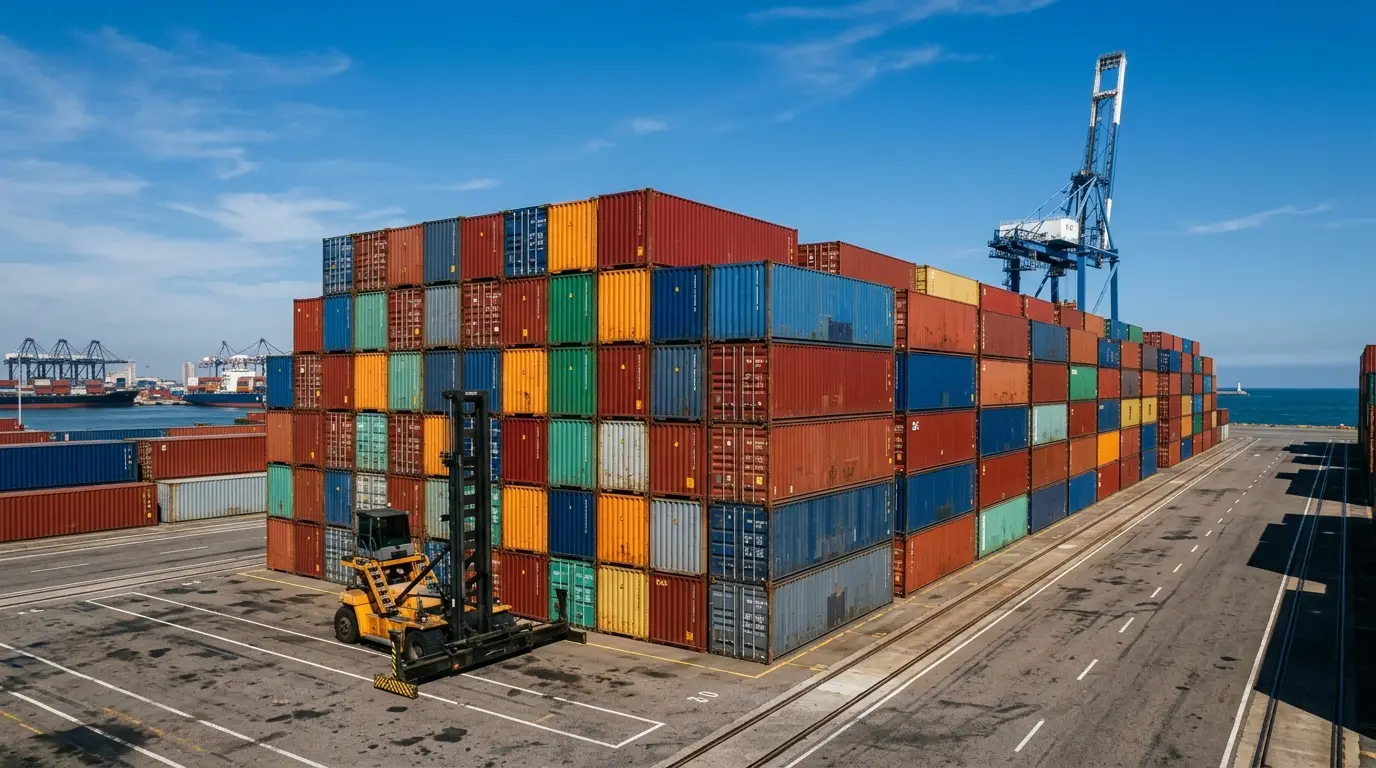
A used shipping container is often the most economical solution when you need storage space, a materials container for the building site, or the basis for a conversion project. Compared with a nearly new model, you can save several hundred to well over a thousand euros. The catch: the condition of used containers varies enormously – from barely used units to rusted-through end-of-life stock. This guide shows you how to read condition grades correctly, what to check during a viewing, and how to spot dubious offers.
Condition grades & terminology
In the trade, containers are classified by condition. The terms are not defined by law but have become widely established. Important: always ask the dealer what exactly they mean by a given label, and insist on photos or a viewing.
| Condition grade | Short description | Typical features | Typical use |
|---|---|---|---|
| Nearly new / “one-trip” | Used only once, virtually factory-fresh | Barely any scratches, clean plywood floor, full CSC compliance | Representative storage, conversion, living/office projects |
| Cargo-worthy / CSC-approved | Approved for sea transport | Valid CSC plate, wind & watertight, functioning locking gear | Export, sea transport, high-quality storage |
| WWT (wind & watertight) | Watertight but no longer sea-approved | No water ingress, signs of use, surface rust | Dry storage on land |
| Used grade B | Clear signs of use | Dents, rust spots, possibly repaired floor, usually still tight | Basic storage, workshop equipment |
| Used grade C | Heavy defects, end-of-life stock | Possible corrosion-through, leaks, repairs needed | Only as a project/spare-parts base, with caution |
WWT means wind & watertight: the container keeps out rain and draughts but is not necessarily certified for international sea traffic. Cargo-worthy or CSC-approved means a valid CSC plate is present and the container is cleared for sea transport. A “one-trip” container has run only once – usually from Asia to Europe – and is therefore practically as good as new.
The pre-purchase inspection checklist
Take your time and inspect systematically. Work through these points on site or using meaningful photos:
- Outer skin and rust: Check the entire corrugated profile (the ribbed side walls) for rust spots, blisters under the paint, and above all corrosion-through. Superficial flash rust is normal; rusted-through spots are a deal-breaker. Tap suspicious areas – a dull sound means the steel is thin.
- Floor / plywood: The floor covering is usually plywood (glued marine-grade boards). Look for swollen, rotten or sagging areas as well as oil and chemical stains. Check from underneath whether the cross members below the floor are corroded. How to classify floor damage and what a partial repair or replacement costs is covered in Container floor: inspect, repair or replace.
- Doors, seals and locking gear: Open and close both door leaves several times. The locking bars must engage smoothly. Check the rubber seals for cracks, brittleness and completeness – leaking seals lead to moisture inside.
- Roof and standing water: If it can be done safely, climb onto the roof or check it by photo. Dents where water collects promote rust from above. Standing water is a warning sign.
- Frame and corner castings: The four corner castings and the surrounding frame carry the entire load. They must be undamaged and rust-free so the container can be stacked, lifted and transported.
- Interior, smell and moisture: Close the doors and check for light ingress – if daylight enters through holes or gaps, the container leaks. A musty smell, condensation or water marks indicate a moisture problem. Watch for residue from previous cargo (chemicals, pesticides).
- CSC plate and paperwork: A valid CSC plate is mandatory for sea transport. For pure land storage it is not required, but it reveals the year of manufacture and origin. Ask to see proof of ownership or sale.
Rule of thumb: surface rust can be treated, but corrosion-through and damaged corner castings cannot be repaired economically. When in doubt, buy one condition grade higher.
Reputable sources and warning signs
You can obtain used containers through several channels:
- Specialist dealers: Usually offer condition descriptions, viewings and delivery. Somewhat pricier, but predictable and with a contact person if defects arise.
- Ports and container depots: Retired shipping containers are sold here directly. Large selection, often cheaper prices, but viewing requires your own initiative.
- Online marketplaces: Wide choice and price comparison, but also the highest fraud risk. Check seller ratings and insist on a viewing.
Watch out for these warning signs:
- Advance payment only, without a secure payment option or any chance to see the container first.
- No viewing possible – the container is supposedly “abroad” or “at the freight forwarder”.
- Unrealistically low prices clearly below the market level.
- Pressure to close quickly, missing company address, contact only via messenger.
Never transfer the full purchase price before you have seen the container or have a trustworthy delivery commitment.
Viewing: what to look for on site
Schedule the appointment in daylight and dry weather so you can spot leaks by light ingress. Bring a torch, a screwdriver to test suspicious rust spots, and work gloves. Walk around the container twice: once completely on the outside including roof and underside, once inside with the doors closed. Test the door mechanism yourself rather than just having it demonstrated. Photograph and note any defects – this helps later during price negotiation and documents the agreed condition.
Transport and delivery
Delivery is often underestimated and can account for a significant share of the total cost. Smaller containers (up to 10 or 20 feet) are usually set down by a truck with a hook-lift system, larger ones by crane or a semi-trailer with a loading crane. Clarify before buying:
- Access: Can a truck reach the desired spot? Mind the passage width, height (gates, branches, cables) and turning radii.
- Placement area: The ground must be load-bearing and as level as possible. Point foundations or concrete slabs under the corner castings prevent sinking and waterlogging.
- Manoeuvring room: A hook-lift truck needs several metres of space to set the container down; a crane needs enough clear area and height.
Have the transport cost itemised separately and clarify who is liable for damage during unloading.
Price and negotiation
Compare several offers and factor in condition, year of manufacture, size and delivery. Documented defects are your best bargaining argument – every rust spot and every brittle seal lowers the fair price. Ask specifically whether minor repairs (paintwork, floor patching) are included in the price. For guidance on realistic amounts, see our article What does a container cost?. To find out which size suits your project, read Sizes & dimensions.
Conclusion
A used container is a solid and affordable choice – provided you inspect the condition conscientiously. Understand the condition grades, work through the inspection checklist consistently, and always insist on a viewing. Corrosion-through, damaged corner castings and leaking doors are the expensive defects; surface rust and small dents are usually manageable. If you carefully compare source, transport and price and stay sceptical about advance-payment traps, you buy safely and save real money.