
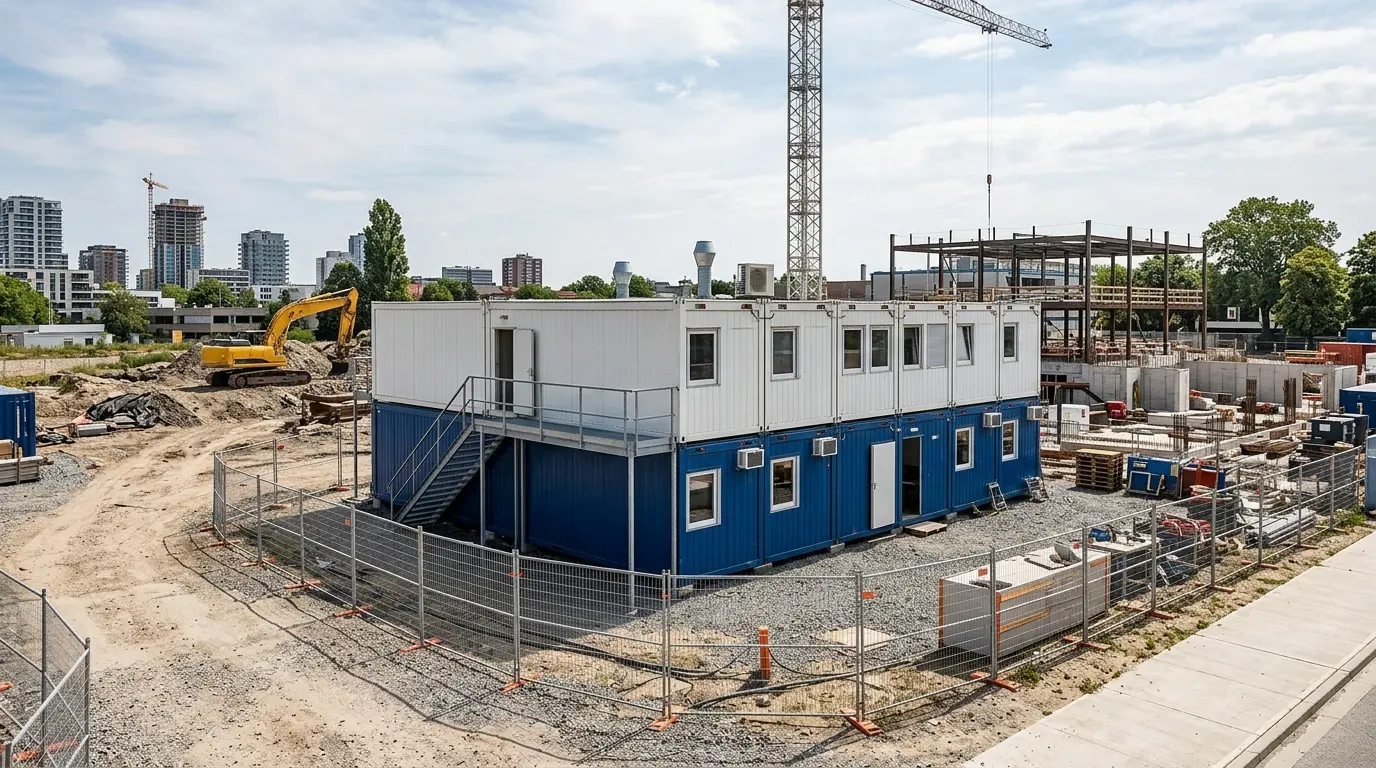
You don’t always have to buy a container. For moves, construction sites, seasonal storage needs or interim solutions, renting is often the more practical route: you only pay for the period you actually need the container, and you don’t have to worry about maintenance or later resale. This guide explains the entire process – from the first enquiry to the return – and shows what to watch for in the rental contract and the costs.
When Renting Makes Sense
Renting is worthwhile above all when you need the container for a limited time or only occasionally. Typical cases include interim storage during a renovation, a site container for the duration of a project, extra storage space during peak season, or an office container as a stopgap solution. If you can’t yet judge your space requirements reliably, renting keeps you flexible.
Whether renting or buying pays off in the long run depends on the usage period. As a rough guide: the longer the use, the more likely a purchase makes sense. You’ll find a detailed comparison with a sample calculation in the guide Buy or Rent a Container?. For an overview of the pure acquisition costs, see What Does a Container Cost?.
The Process Step by Step
The rental process is similar with most providers. Knowing the individual steps helps you avoid delays and unnecessary costs.
1. Clarify Requirements and Size
Before you send an enquiry, you should know what you need the container for and how long. That determines type and size: a 10-foot storage container is enough for tools and garden furniture, while 20 or 40 feet are common for moving goods or site equipment. Also clarify whether you need special features – such as ventilation, power, shelving or a particular door width.
2. Enquiry and Quote
With these key figures, you request a quote from one or more providers. A solid quote states not only the base rent, but also delivery and collection costs, minimum rental period, deposit and the conditions for the return condition. Ask for the quote in writing and compare the total costs, not just the monthly rent – the additional items often make the bigger difference.
3. Delivery Date and Location
Once the contract is signed, you arrange a delivery date. A suitable location is crucial: it must be load-bearing, level and accessible for the truck. Clarify in advance whether the ground can bear the weight, whether there is enough manoeuvring space, and whether a permit may be needed if the container stands on public ground. If no drive-on spot is available, a crane may be required – which noticeably increases the costs.
4. Use During the Rental Period
During the rental period you are generally responsible for proper use. This includes not overloading the container, not storing prohibited substances, and avoiding damage. For longer rentals, it’s worth considering ventilation and moisture to prevent condensation and rust. Check at the outset whether insurance for the contents is advisable or contractually required.
5. Collection and Return
At the end of the rental period, you give notice within the deadline and arrange a collection date. The container should be in the agreed return condition – usually swept clean and free of damage beyond normal wear. A joint handover protocol with photos protects both sides against later disputes over cleaning or repair costs.
Key Contract Points
The rental contract covers more than just the price. You should examine these points carefully before signing.
Rental Period and Minimum Term
Many providers set a minimum rental period, often one month. If the container is returned earlier, you still pay the full minimum term. Note whether billing is by started days, weeks or months – for short assignments this makes a clear difference.
Deposit
A deposit is common, serving as security against damage and cleaning. It is refunded after proper return. Have the amount, purpose and refund period confirmed in writing.
Notice and Extension
Check the notice period and whether the contract renews automatically. For open-ended rentals, a short notice period is an advantage because it keeps you flexible. If you plan an extension, it’s worth agreeing the terms in good time.
Insurance and Liability
Clarify who is liable for damage to the container and to the contents. Some providers require insurance or offer it optionally. Check whether your existing household or business insurance covers stored goods.
Condition and Return Condition
Record the condition at handover in a protocol, ideally with photos. That way you can trace at the end which damage was already present and which counts as normal wear.
Cleaning
The contract specifies the condition in which the container must be returned. If the agreed cleaning is not met, the provider invoices the costs or deducts them from the deposit.
Cost Components at a Glance
The monthly base rent is only part of the bill. The following table shows the typical items. All figures are rough guide values for orientation only.
| Cost component | What for | Approx. amount (guide value) |
|---|---|---|
| Base rent | Monthly rent depending on size and type | approx. €60–200 / month |
| Delivery & collection | Transport to and from site, depending on distance | approx. €100–400 per trip |
| Crane placement | Only if no drive-on location is available | approx. €150–500 |
| Deposit | Security, refunded on proper return | approx. €100–500 |
| Cleaning / repair | For soiling or damage beyond normal wear | based on effort |
Note: The prices stated are non-binding approximate values. Actual costs depend on region, provider, container size, condition and rental period. Always obtain a concrete quote.
Tips for Choosing a Provider
Compare several providers and pay attention not only to the cheapest base rent, but to the transparent total calculation. Reputable providers clearly itemise delivery, collection and any additional costs. Ask specifically about the minimum rental period, the return conditions and the refund of the deposit.
It’s also worth looking at the condition and age of the containers on offer: especially for longer outdoor use, a watertight, rust-free container matters. Ask about response times when problems arise and whether short-notice dates for delivery and collection are possible. Regional providers often score with shorter travel distances and therefore lower transport costs.
Conclusion
Renting a container is straightforward once you know the process and the contract points. First clarify requirements and size, obtain written quotes showing total costs, and check the minimum rental period, deposit and return conditions. A handover protocol with photos protects against disputes over cleaning and repair costs. Whether renting or buying is the better choice depends above all on the usage period – you’ll find the details in the comparison Buy or Rent a Container?.